
PPH valves (polypropylene homopolymer) are the cost-effective answer to hot caustic and alkaline service. Where sodium hydroxide and other alkaline media attack lesser plastics, PPH stays stable up to 85°C — which is why chlor-alkali plants and caustic-handling systems run on it. Huiya manufactures pneumatic PPH true-union ball valves, flanged ball valves and butterfly valves to ANSI, DIN and JIS standards, with matching PPH pipes and fittings for a complete single-source system, supplied factory-direct. For hot alkaline duty, PPH is usually the most economical material that survives the job — keeping PVDF in reserve for concentrated acids— compare them in how to choose the right valve material. Send us your media, concentration and temperature and we’ll confirm PPH is the right choice.
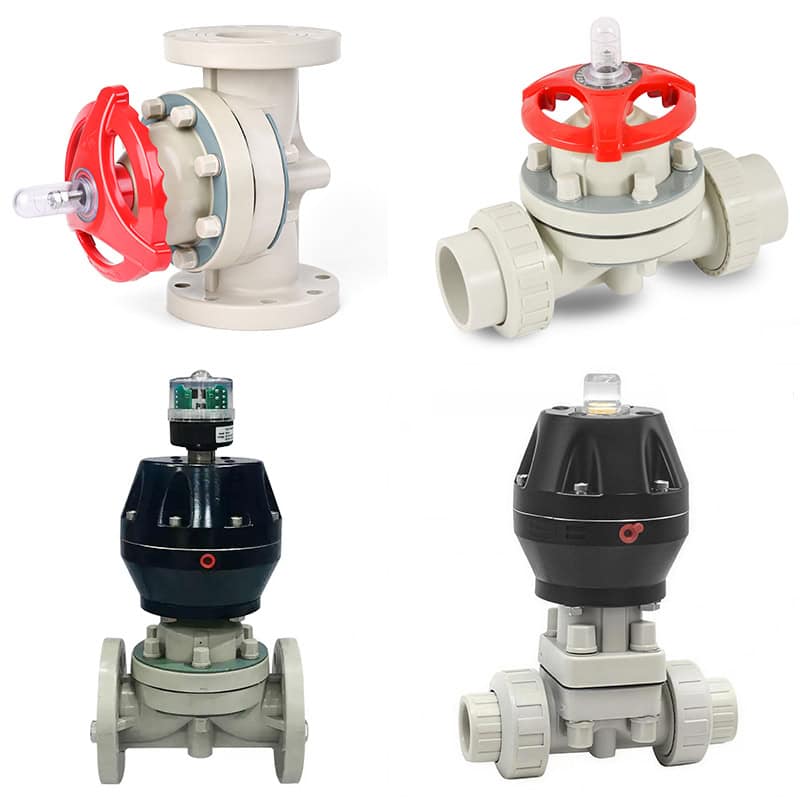
PPH Diaphragm Valve
PPH Diaphragm Valve PPH diaphragm valves (polypropylene homopolymer) are the value choice for strong alkaline…
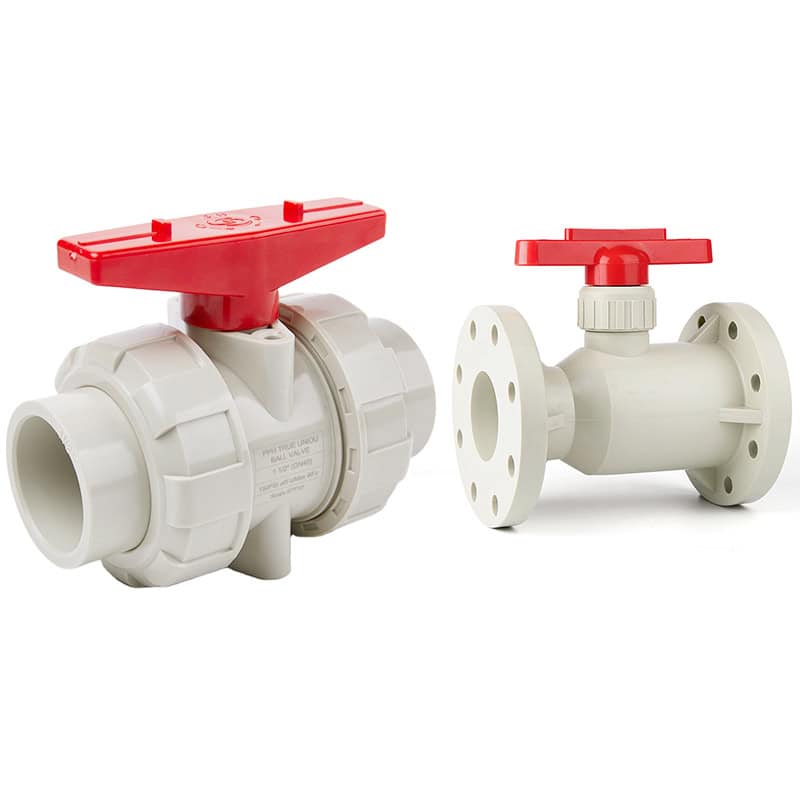
PPH Ball Valve (Manual)
PPH Ball Valve (Manual) PPH ball valves (polypropylene) give you quarter-turn on/off control of hot…
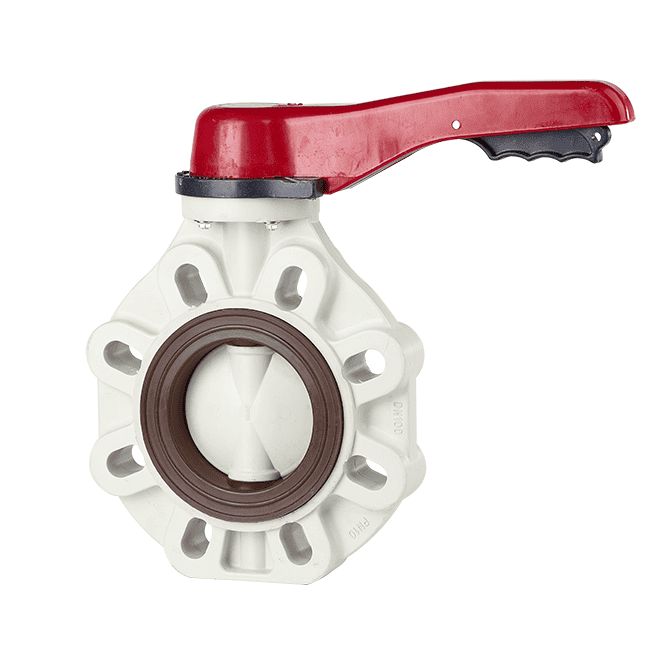
PPH Butterfly Valve
PPH Butterfly Valve PPH (polypropylene) butterfly valves give you compact, quarter-turn control of large-bore alkaline…
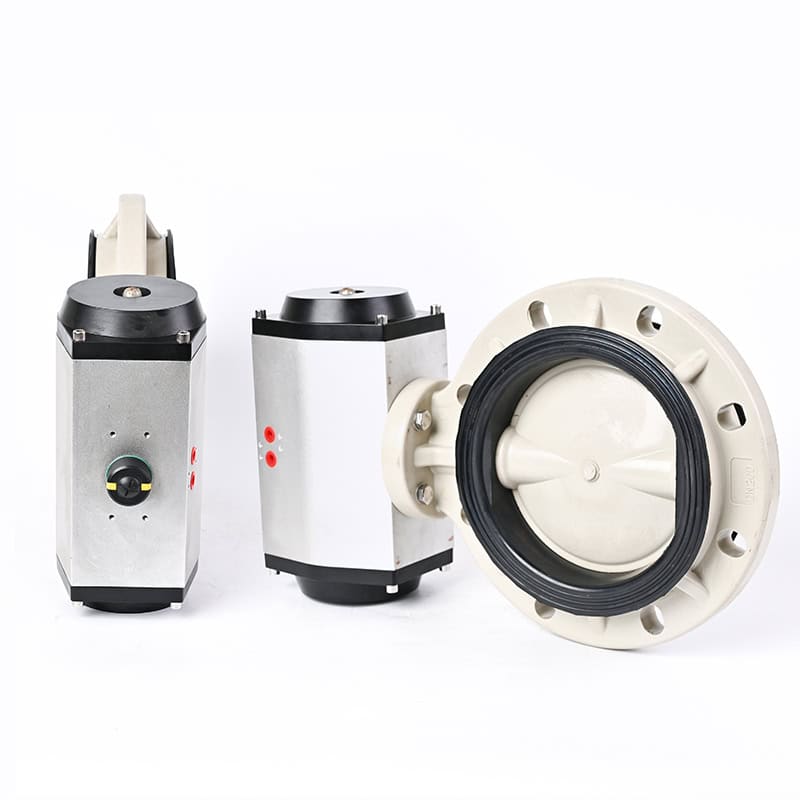
PPH Pneumatic Butterfly Valve
PPH Pneumatic Butterfly Valve The Huiya PPH pneumatic butterfly valve is a large-bore automated valve…
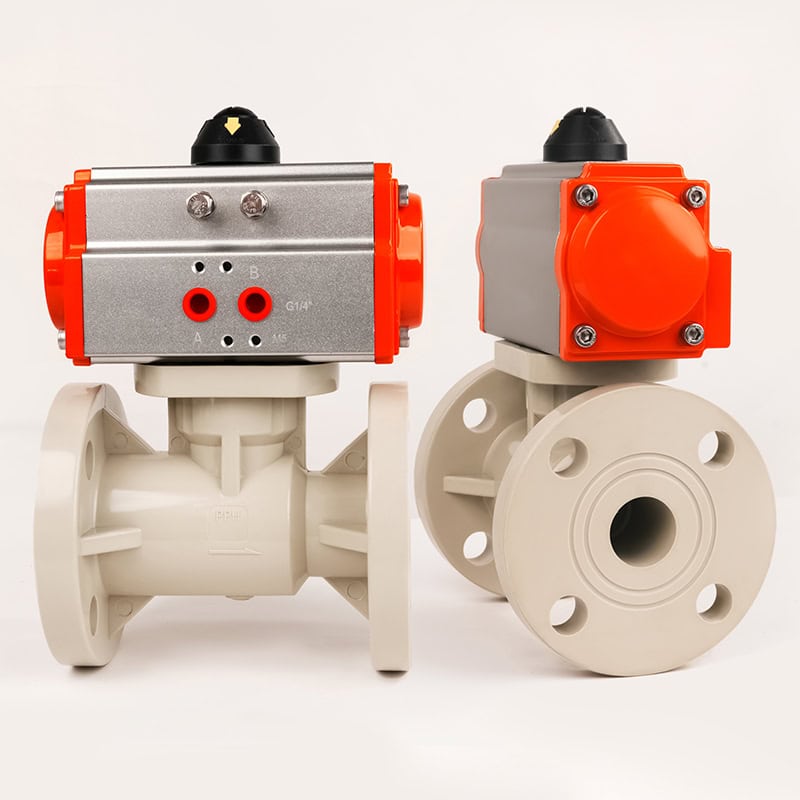
PPH Flanged Pneumatic Ball Valve
PPH Flanged Pneumatic Ball Valve The Huiya PPH pneumatic flanged ball valve is a large-bore,…
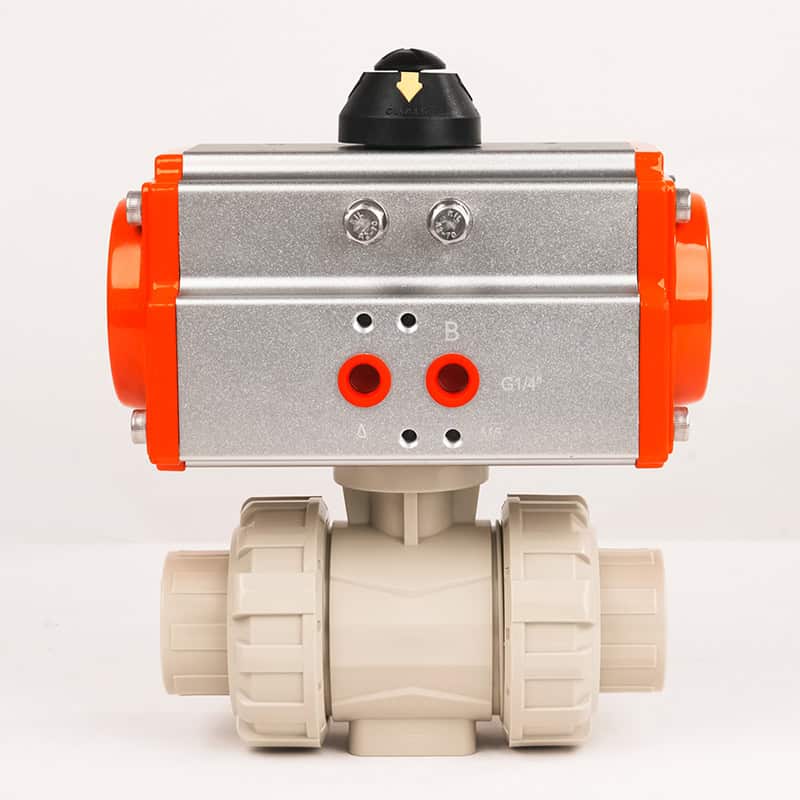
PPH Pneumatic True Union Ball Valve
PPH Pneumatic True Union Ball Valve The Huiya PPH pneumatic ball valve is a true…
PPH Valves — Frequently Asked Questions
What media are PPH valves best for?
PPH (polypropylene homopolymer) excels in hot caustic and alkaline service — sodium hydroxide, potassium hydroxide and similar solutions up to 85°C. It is the material of choice wherever alkaline media would attack other plastics, particularly in chlor-alkali production and caustic dosing systems.
Can PPH valves handle caustic soda (sodium hydroxide)?
Yes. PPH is highly resistant to hot sodium hydroxide and other strong alkalis, which is exactly why chlor-alkali plants rely on it. Share your concentration and temperature and we will confirm PPH suits your specific caustic service.
PPH or PVDF for caustic service — which should I choose?
For hot alkaline media, PPH is usually the most economical material that does the job, so it is the smart default for caustic duty. PVDF is reserved for concentrated acids and solvents where PPH will not survive. For caustic service specifically, PPH almost always wins on value.